JPMorgan Warns of a Food Price Storm: How Hoosiers Can Fight Back With a Modern Victory Garden

In August 2026, JPMorgan released a report with a title everyone ought to give a second thought to: “Food Security is National Security: A Compounding Storm.” According to the report, global food prices will rise by 5 percent in the first half of 2027, and that increase is likely to be with us for some time.
Here is the line that got us hooked, and the reason we are writing about it: there is no strategic reserve for fertilizer the way there is for oil.
When the Strait of Hormuz was blocked at the beginning of this year, it did not just create an oil shortage. It caused a worldwide fertilizer shortage. In one of those “I was this old today when I learned this” moments, I found out the Middle East produces 42% of global urea exports and 27% of ammonia exports, according to J.P. Morgan Global Research.
When those shipments were blocked during planting season, nitrogen prices rose by 25% to 50%. I’m going to go out on a limb and say this will continue as the planting season in the Southern Hemisphere approaches.
The problem is easy to figure out. Higher fertilizer costs push farmers to plant less or switch crops. Smaller harvests reach the shelves months later as higher prices, with lower yields and tightening food supplies well into 2027.
We are sharing this with you not out of fear, but because we know that what every family in Indiana can do about this starts with a packet of seeds and a plan.
And while this plan may be for something as huge as a worldwide food shortage, it could just as easily be for the hard months: when you have to put money into getting another year out of the car, the roof springs a leak, the kids need something important, or whatever else life throws at you. Getting ready is for more than the horrifying reasons.
Why a Victory Garden Matters Now
The idea of the victory garden took hold during World War I, when President Woodrow Wilson urged Americans to grow gardens to prevent food shortages. During both world wars, folks all over the country planted food gardens in backyards, on school grounds, and on any piece of land available. By 1943, victory gardens were producing roughly 40 percent of the fresh vegetables Americans ate.
No foreign army is coming for us right now. But there is a real threat to the availability of food, and a strategy that proved so effective a hundred years ago can be effective again. This is not about hoarding (wink wink) or stocking up the basement. It is about taking some control over where your food comes from, saving money at the supermarket, and building a little flexibility into your budget.
It is important to know one thing: you do not need farmland to make a difference. You do not even need a backyard.
Start Where You Are: Small Space, Big Yield
A common belief about growing food is that it takes a lot of land. That is not the case at all. Some of the best gardens we have seen have been on apartment balconies, in small side yards, or in just a few containers by the back door.
As Mother Earth News puts it, “The real expense of frugal gardening is time, not money.” It doesn’t matter if you don’t have the money for expensive raised beds, bagged soil, and fancy tools.
If you are using containers, your main task will be choosing crops. Vegetables such as tomatoes, peppers, and cucumbers need six to ten hours of sunlight to grow well. Leafy vegetables such as lettuce and spinach do fine with as little as three to five hours. I once grew tobacco, just for the heck of it, in a 5-gallon bucket from one of the big-name hardware stores. I’ve grown hot peppers the same way, in a spot where I could move the buckets to follow the sun.
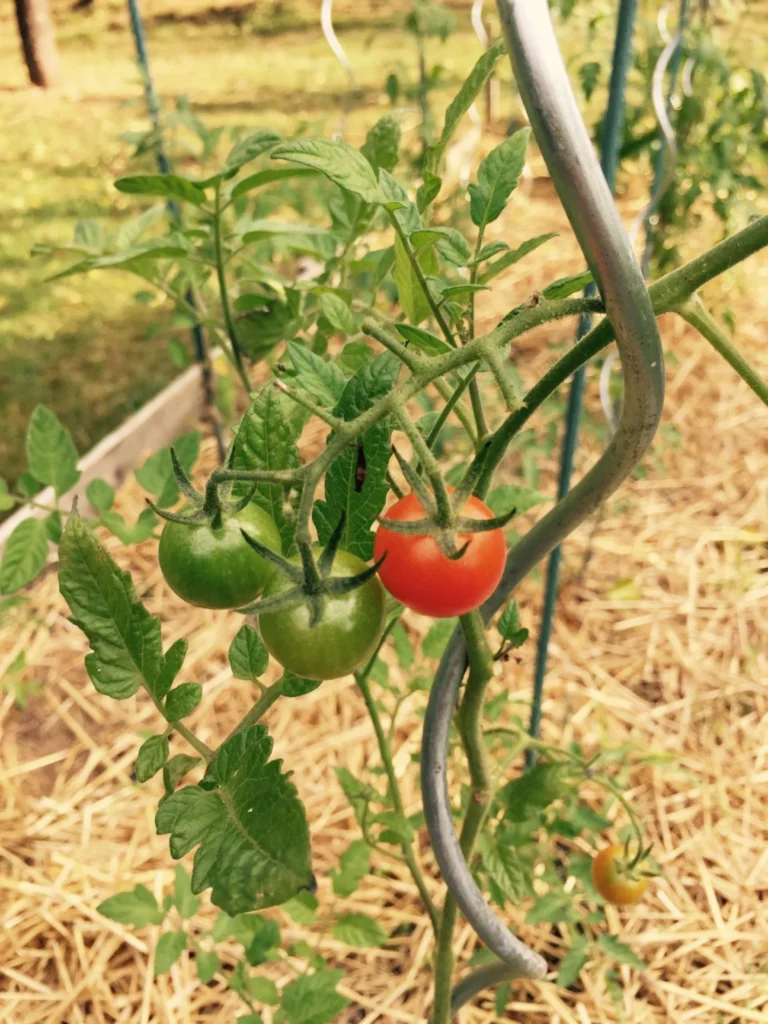
Small-space gardens should use determinate or bush varieties that have been bred for containers. A single 5-gallon bucket can yield more than 100 tomatoes, 4 pounds of sweet potatoes, or 35 peppers in one growing season. Three heads of romaine lettuce can grow in a larger bucket or grow bag.
Going vertical is another useful method. With trellises, poles, and stacked boxes, you can squeeze more production out of every square foot. Cucumber vines, pole beans, and even miniature melons can all be grown this way.
Indiana-Specific Timing: What You Can Still Plant
Indiana’s Zone 6 is a forgiving place to garden. In a normal year, central Indiana’s first frost falls around October 17, and the last spring frost arrives around April 17, though I’ve seen it as late as the middle of May. That gives us a long growing season, and even now, in mid-October, there is still time for fall gardening.
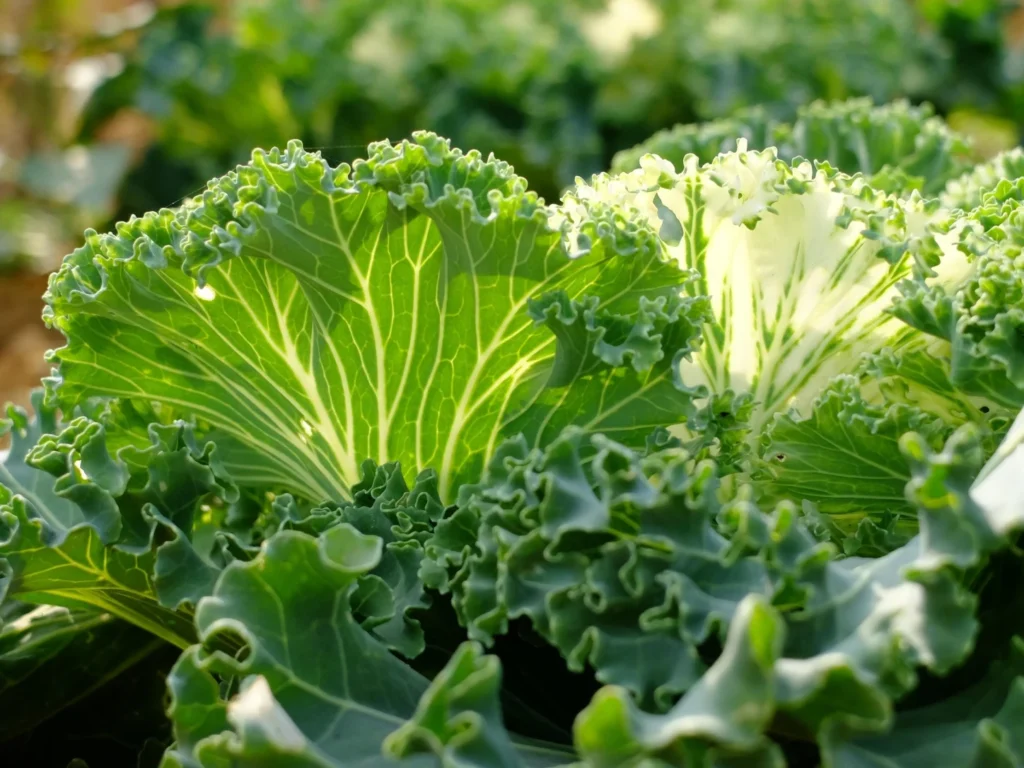
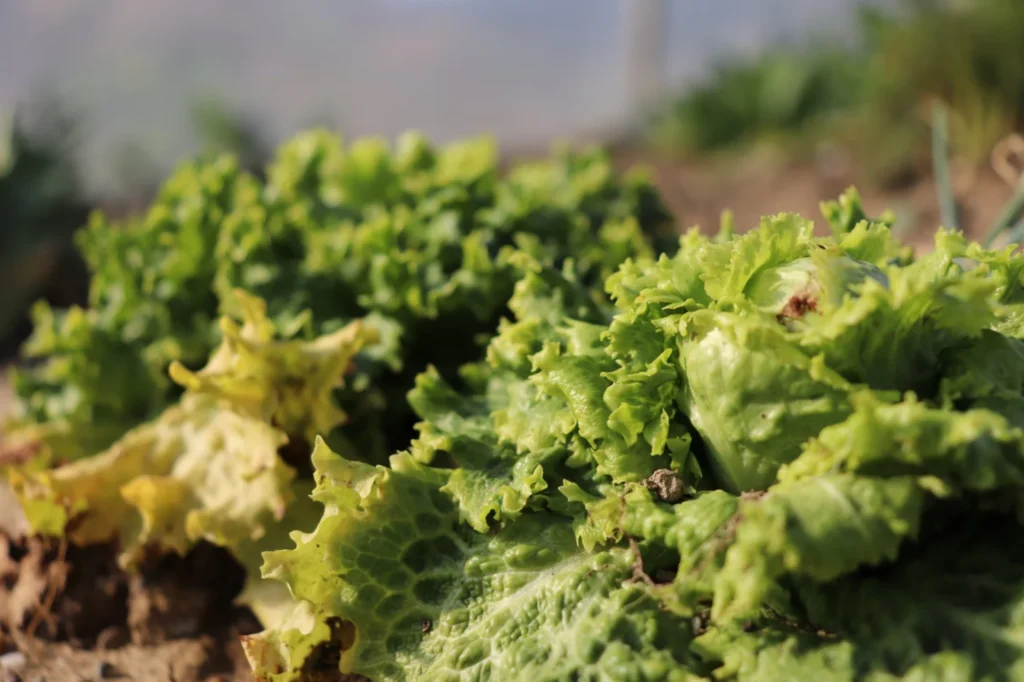
Cool-season vegetables are your partners in the fall. Spinach, kale, collards, lettuce, arugula, and Swiss chard all grow well in cold weather, and many actually taste better after a light frost. Radishes are ready to harvest three to four weeks after planting.
If you are already thinking about spring, this is also the season to start planning your 2027 garden. Garlic can be planted in October and harvested in July. Early next year, onions, peas, and brassicas can go in. A few weeks of planning now will make your garden far more productive next year.
The No-Excuse Approach to Getting Started
One thing we want to make clear: this does not mean you should throw away your life as you know it. It means there is something simple you can do now that will make your family a bit more resilient, give you a little more peace of mind, and start you on a skill you can pass on to your kids. It also gives folks who may be struggling to fill their days something worthwhile to do.
- Start with one pot, bucket, or grow bag. A small pot of herbs on your windowsill is a garden. A five-gallon bucket with one cherry tomato plant in it is a garden.
- Grow things that reward you. Greens such as lettuce are fast-growing and unfussy. Radishes are nearly impossible to kill. So are bush beans and determinate tomatoes.
- Use what you already have. All you need to get started is a reused pot, potting soil, and a few seed packets. Compost your vegetable scraps for free, natural fertilizer.
- Remember it is a process. Everyone accidentally kills plants. The ones who win are the ones who plant again afterward.
A Quiet Act of Resilience
As unsettling as the JPMorgan report is, it is a forecast, not a certainty. The USDA itself projects grocery prices in 2027 will change somewhere between a slight decline and a 6% increase, with a midpoint estimate of 2.9%. Nobody knows exactly what next year holds.
But here is what I do know for sure: a family that can grow any fraction of its own food is a resilient one. A pantry stocked with home-canned tomatoes, a freezer bag full of kale you harvested yourself, a shelf of homegrown garlic. None of those depend on the global food distribution system.
This is not about fear. It is about taking action anyway. It is about reading the headlines on fertilizer shortages and rising food prices, and still choosing to plant a seed.
There is still time. Start small, and start now.