Plant Your Garlic This October: A Hoosier Gardener’s Guide to Winter’s Most Rewarding Crop

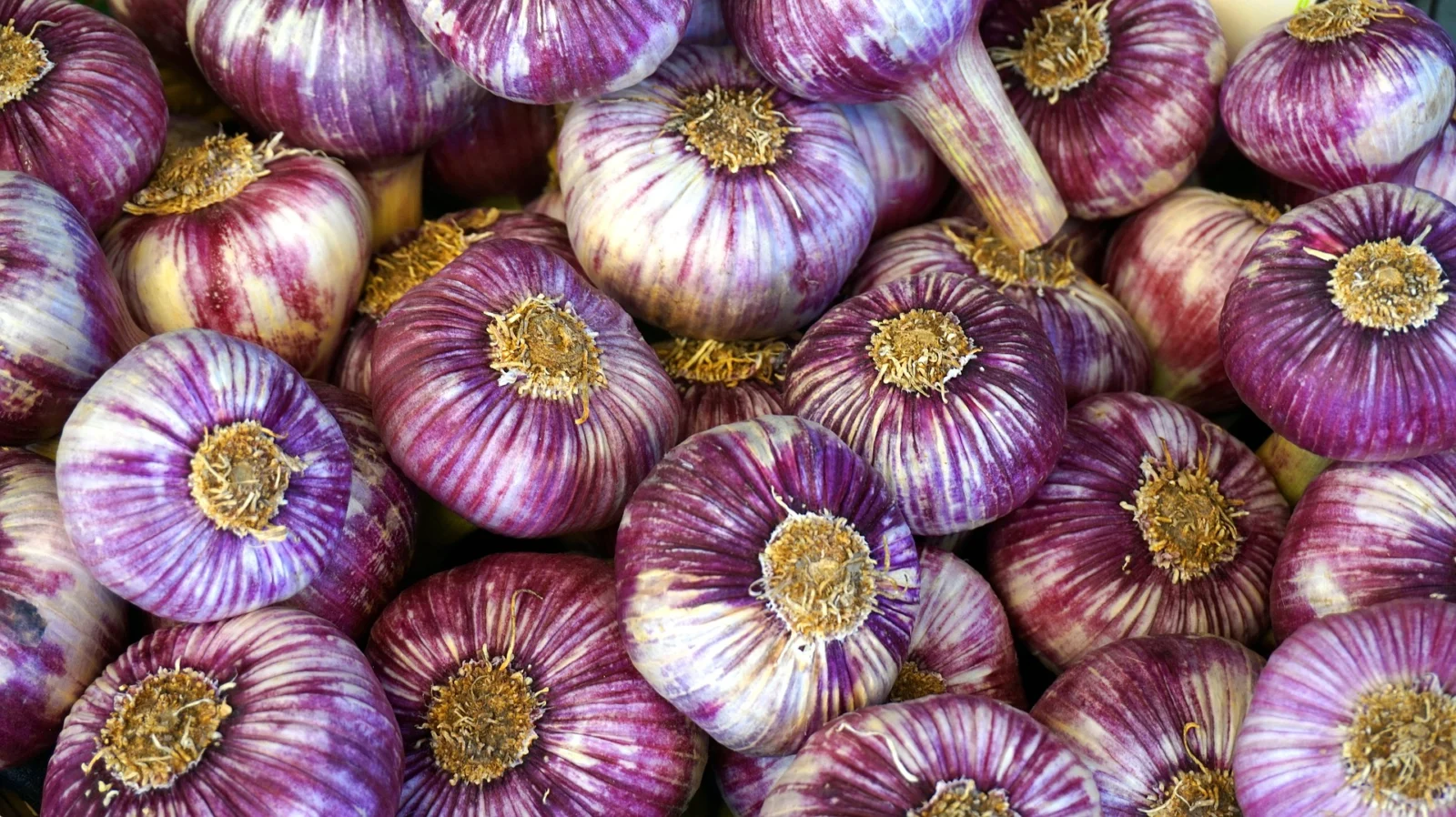
There is a certain magic to October gardening in Indiana. The frantic pace of summer has passed, the mosquitoes have retreated, and the soil is still warm enough to work comfortably with bare hands. In our humble opinion, it is the best month of the year to plant the one crop that will reward you more than almost any other: garlic.
If you have never planted garlic in the fall, you are missing out on one of the real pleasures of Hoosier gardening. Garlic is not a demanding plant. It asks for a bit of sun, well-drained soil, some straw, and patience until the harvest in July. In exchange, you get a kitchen staple that tastes nothing like the bland, imported bulbs at the supermarket, from a plant with an ancient medicinal tradition.
Why October Is the Perfect Time to Plant Garlic in Indiana
Garlic is different from almost everything else in the garden. Most vegetables go in during the spring, but garlic needs a period of cold dormancy to develop properly. Planting in October gives the cloves time to put down roots before the ground freezes solid.
Indiana runs from USDA zone 5b in the north to 7a at the southern tip, and your planting window shifts with your location. One Indiana garlic planting guide breaks it down this way:
- Northern Indiana (South Bend and the Lake Michigan counties): October 1 to October 25
- Central Indiana (Indianapolis, Lafayette, Muncie): October 10 to November 1
- Southern Indiana (including the Ohio River Valley): October 15 to November 10
The target is soil that has cooled to between 50 and 65 degrees Fahrenheit, roughly four to six weeks before the first hard freeze. That is early enough for the cloves to root, and late enough that they do not send up much green growth before winter.
Some gardeners prefer to wait until after a killing frost, but the surer way is to plant while the ground is still easy to work. As many Hoosier gardeners will tell you, garlic is extremely forgiving once it is established. Getting it established on time makes all the difference.
Hardneck vs. Softneck: Choosing the Right Garlic for Indiana
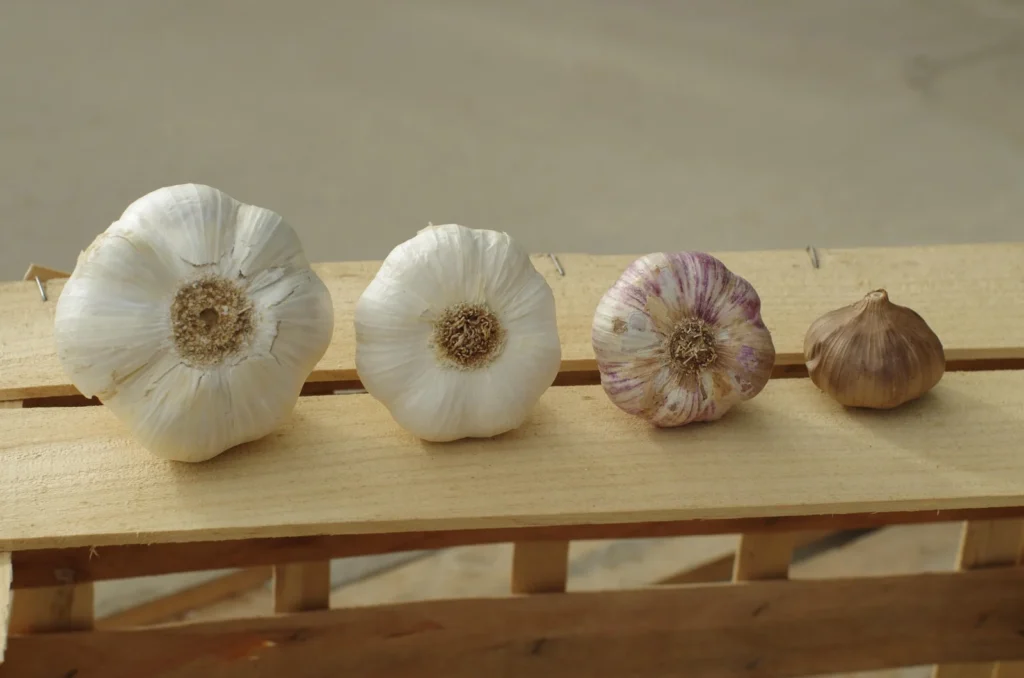
Before you plant, it helps to know what types of garlic exist and which ones do well in Indiana.
Hardneck garlic (Allium sativum var. ophioscorodon) is the type most often recommended for Midwestern gardens. Its distinctive feature is a rigid central stalk, called the scape, that rises in late spring and curls into a pretty spiral. Hardneck garlic is valued for its flavor and for how well it handles a cold winter.
Softneck garlic (Allium sativum var. sativum) is the type sold in supermarkets. It has a soft neck that can be braided, and it can keep for up to a year when stored properly. Softnecks are most dependable in the milder winters of southern Indiana, though some will do well in the central part of the state.
Good hardnecks for Indiana gardeners include:
- Music, a porcelain hardneck with large, handsome bulbs and a strong flavor that grows well throughout the state
- German Red, a rocambole hardneck with a rich, savory flavor that suits the cold winters of northern Indiana
- Chesnok Red, a purple stripe hardneck that is wonderful for roasting
Softneck varieties that work well in the south of the state include Inchelium Red and Nootka Rose, though they may struggle in the colder northern counties.
One more thing: do not plant garlic from the supermarket. It may not be suited to our climate, and it is often treated to extend its shelf life, which makes it harder to grow. Buy seed garlic from a local grower or an online seed garlic supplier instead, as Penn State Extension advises.
How to Plant Garlic in October
Growing garlic is about as easy as gardening gets. This is how we do it in our own garden.
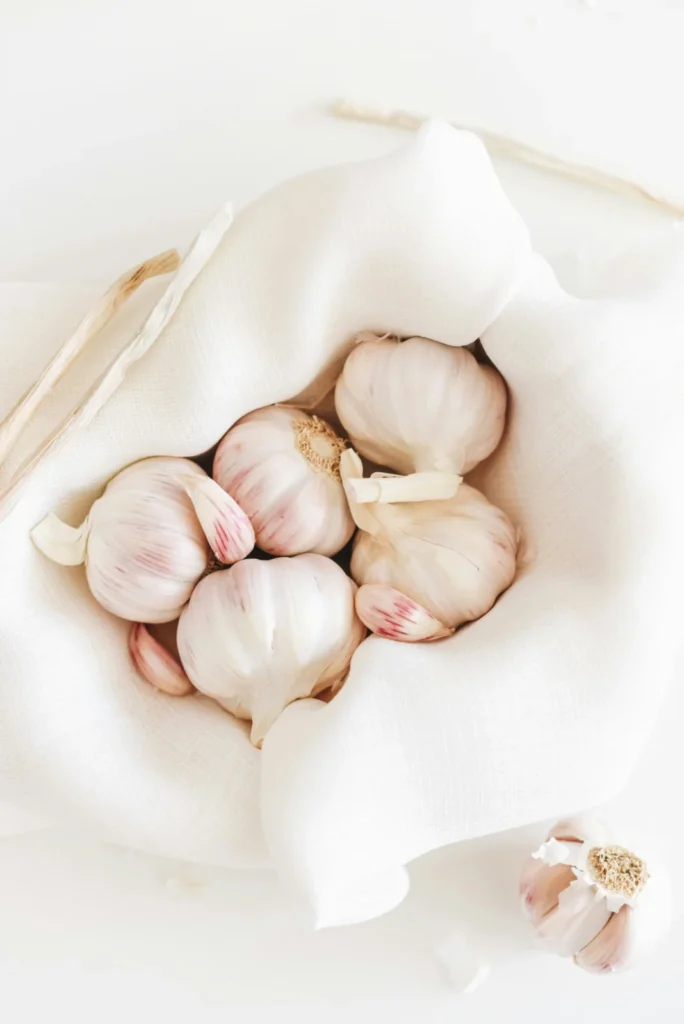
- Prepare the bed. Pick a spot that gets full sun and drains well. Garlic does not do well in waterlogged soil, so raised beds or amended clay are good choices. Work a couple of inches of compost into the soil. Garlic grows best in slightly acidic to neutral soil, with a pH of 6.0 to 7.0.
- Break apart the bulbs. Separate the bulbs into cloves, but no more than a day before planting. The root end of each clove dries out quickly once it is broken off, and you want it growing roots as soon as possible. Save the biggest cloves for planting, because they yield the biggest bulbs.
- Plant pointed end up. Set each clove with the pointed end up and the root end down, two inches deep and four to six inches apart, in rows twelve to eighteen inches apart.
- Mulch heavily. After planting, cover the bed with three to four inches of straw or shredded leaves. Mulch insulates the soil over winter, holds down weeds in spring, and keeps freeze-and-thaw cycles from heaving the cloves out of the ground. If your bed is exposed to wind, lay a few branches over the mulch to hold it in place.
That is it. You can walk away until spring.
The Medicinal History of Garlic: More Than Just Flavor
For thousands of years, garlic has been cherished for much more than its flavor. It is one of the earliest documented plants used for both food and medicine, a history laid out in a review published in The Journal of Nutrition.
Garlic has been found in Egyptian pyramids and ancient Greek temples, and it is mentioned in the Bible. Ancient medical texts from Egypt, Greece, Rome, China, and India prescribe it for a range of ailments. Many cultures fed it to laborers for strength. Hippocrates, often called the father of medicine, prescribed it for a number of conditions, and the earliest Olympic athletes in Greece ate it as what may have been one of the first “performance-enhancing” agents.
What is remarkable is that cultures with no contact with one another all came to prize the same plant. That is history rather than health advice, but it does make a humble clove feel like more than a seasoning.
The Scape: A Bonus Harvest
If you plant hardneck garlic, you will be rewarded in late spring with one of the garden’s great treats: the scape. Scapes are the curly flower stems that rise from the center of the plant. They are tender, mildly garlicky, and absolutely delicious.
Gardeners usually snap off the scapes so the plant puts its energy into the bulb. Do not throw them away. Scapes are wonderful in pesto, stir-fries, and scrambled eggs, or simply cooked in a little olive oil and salt. Farmers’ markets across Indiana sell them by the bunch in early summer, but if you plant your own garlic, they are yours for free.
Looking Ahead
Planting garlic in October is an exercise in faith and patience. You tuck a few cloves into the cool autumn soil, cover them with straw, and wait. Winter passes, and then July comes, and you dig up bulbs that are full and fragrant, with tight, papery wrappers, and you remember why you went to the trouble.
There is something deeply satisfying about growing a crop that carries your kitchen through the following winter. Garlic asks for little and gives plenty: flavor for your meals and a connection to a way of growing food that goes back as far as the pyramids.
So if you have a sunny patch of ground and a free hour this October, go ahead and plant garlic. Your future self will thank you. And while you are in a fall frame of mind, read up on another Hoosier favorite that rewards patience: the Indiana persimmon.



One thought on “Plant Your Garlic This October: A Hoosier Gardener’s Guide to Winter’s Most Rewarding Crop”